Free Samples
Next-day delivery

Luxury Vinyl Tile (LVT) flooring is a stylish and versatile option designed to recreate the look of natural wood, stone, slate or marble – without the high cost or upkeep. It’s a popular choice for modern homes, thanks to its impressive durability and scratch-resistance.
All our LVT floors are fully compatible with underfloor heating. Some styles even come with built-in underlay for extra warmth and sound insulation. Looking for something with water protection? Our SPC flooring is fully waterproof and our Glue-Down LVT flooring is water-resistant, so either way we’ve got you!
From floors for kitchens, bathrooms or hallways, you’ll find the perfect LVT flooring for your needs. Plus, with click-fit and glue-down options available, there’s something for everyone, whether you’re a DIYer or leaving it to the pros.
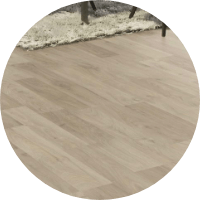
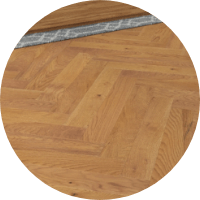
Explore our selection of LVT flooring styles, including wood-effect planks, herringbone patterns and stone-look tiles – available in a range of colours from warm oak tones to cool greys. Order free samples, enjoy fast UK delivery and find a luxury vinyl floor that suits your space and budget!

LVT flooring is designed to be extremely durable and water-resistant (or in the case of SPC, waterproof,) making it suitable for all areas of the home. Available in a range of designs, such as wood effect and stone effect, it’s a great choice if you want a wood or stone floor, but your budget won’t stretch to the real thing.
Here are some benefits of choosing an LVT floor:
It’s Affordable – LVT is much lower in price than real wood, so it’s ideal if you’re working with a small budget. Unlike solid wood, SPC click vinyl is quick and easy to fit, so you could install it yourself and avoid paying for a professional fitter. Keep in mind that glue-down LVT is best fitted by a professional (unless you really know your stuff!)
It’s Durable – LVT is incredibly resilient, making it ideal if you’ve got kids or pets or just a busy home with lots of people coming and going!
It’s Water-resistant – SPC vinyl is waterproof making it perfect for bathrooms and kitchens. Glue-down vinyl flooring is water-resistant but it’s still fine to fit it in your kitchen or bathroom, as long as it’s installed properly.
And if you’ve got little ones or a four-legged friend at home, you’ll have peace of mind, no matter whether you fit your LVT in the kitchen, the living room or the bedroom!
It’s Easy to Install – SPC LVT is fitted with a ‘click-fit’ system which means the tiles simply ‘click’ into place, eliminating the need for nails or glue. This handy joining system makes LVT flooring quick and easy to install, no matter whether you’re an experienced DIYer or a complete newbie. Glue-down LVT can be installed quickly too, but we recommend hiring a professional to make sure you get the best result!
Variety of Colours and Styles – Our LVT flooring options offer a range of styles and colours. Whether you’re looking for shades of oak or stone, a straight plank design or parquet, you’ll find a floor to suit your taste in our beautiful LVT collection.
It’s Easy to Clean – LVT is extremely easy to clean. All it needs is a daily sweep or vacuum to remove any dirt and debris and a weekly mop to keep it gleaming.