Types Of Wood Flooring: Finding the Best Choice for You
Boasting beauty, longevity and timelessness, wood flooring is one of the most popular types of flooring on the market today.
Over the last 10 years, wood flooring has totally evolved, with new styles, surfaces and finishes being introduced. Gone are the days of only being able to choose the colour and species of your wood; today there’s more variety in types of wood flooring than ever before.
In this article, we explore the different styles of wood flooring to help you find the best type for your home.
Solid Wood Flooring
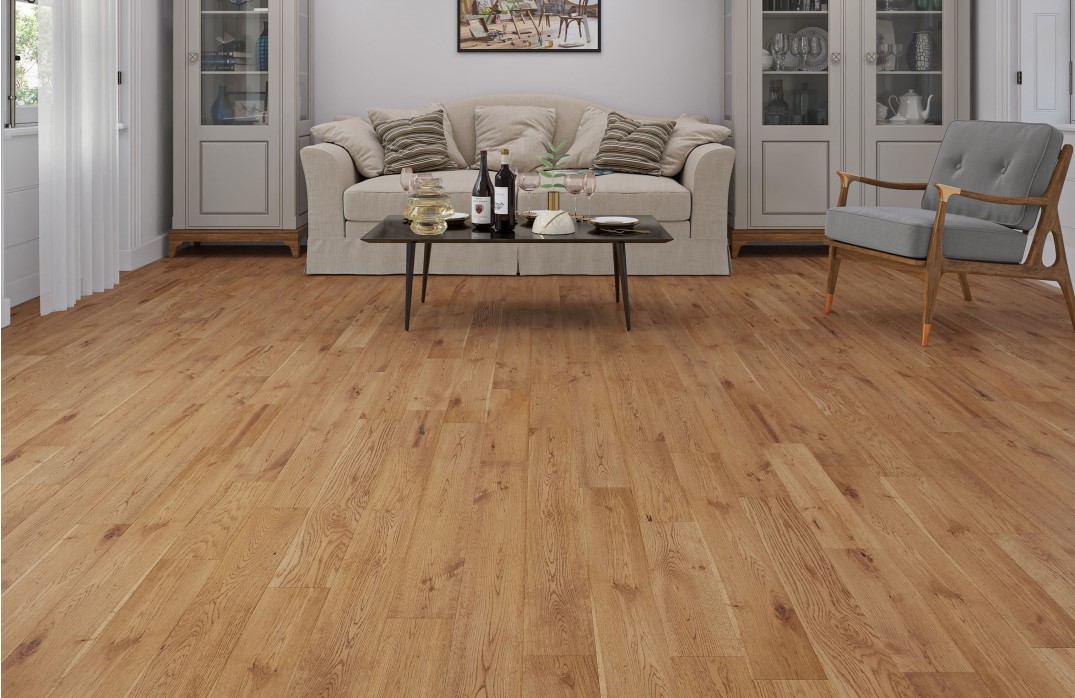
The difference between solid wood flooring and engineered wood flooring is that solid wood is made up of a single piece of wood. It’s always been slightly more popular than engineered flooring, most likely because people feel they’re getting better value for money. This type of wood flooring sells itself, simply because it’s so beautiful.
Solid wood flooring usually comes in a standard thickness of 18mm which is suitable for both home and commercial use. 18mm solid wood flooring can be sanded and refinished up to seven times, giving it a life span of 100 years (provided you give it the right care and treatment).
Pros of Solid Wood Flooring
- It has a longer lifespan than many other floors
- You can sand and refinish it to repair scratches and marks
Cons of Solid Wood Flooring
- It’s more expensive to purchase than other types of floors
- It can’t be used with underfloor heating
Engineered Wood Flooring
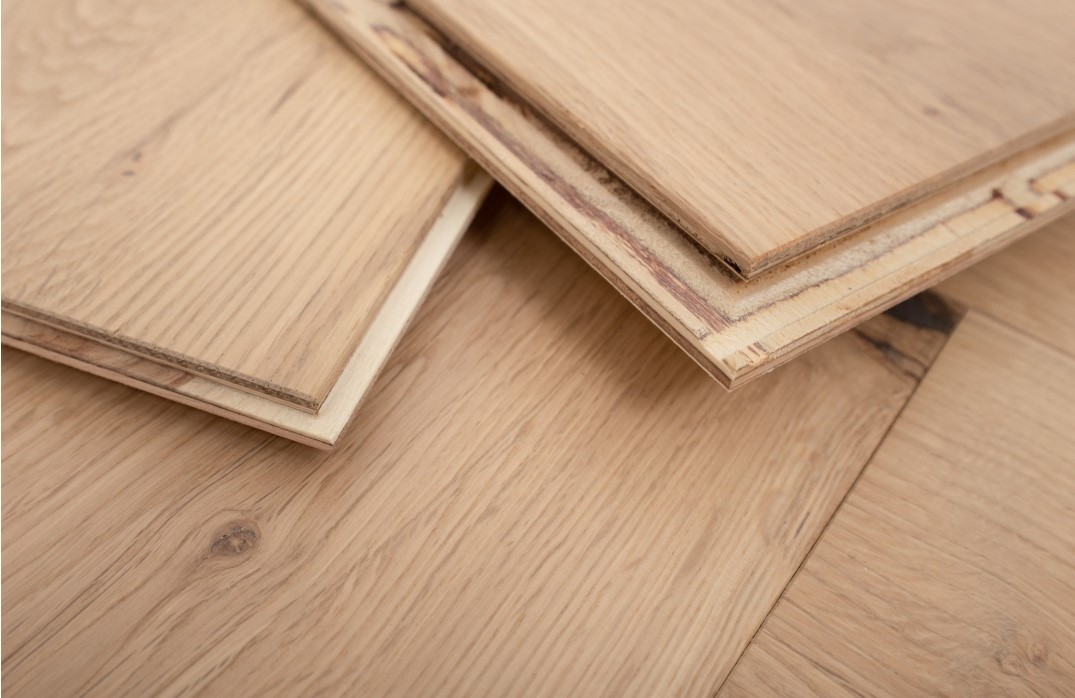
Once laid, Engineered wood flooring looks identical to solid wood flooring. However, the construction of this style of wood flooring is slightly different. Engineered floors consist of multiple layers of plywood which are tightly pressed and compacted together to create a secure plank. A top layer of solid wood (the wear layer) sits on top of the plywood, perfectly replicating the look of solid wood flooring.
The thickness of the wear layer on engineered oak flooring can vary, and this will be reflected in the price of your floor; the thicker the wear layer the more expensive the floor will be. However, the higher price comes with a longer expected lifespan, as the number of times the floor can be sanded and refinished increases.
3mm wear layer flooring can be sanded down up to four times, 4mm wear layer wood flooring can be sanded down up to five times, 5mm wear layer flooring can be sanded down up to six times, and 6mm wear layer flooring can sanded down up to seven or eight times.
Unlike solid wood flooring, engineered oak flooring is compatible with underfloor heating, making it a popular choice for new builds, renovations and modern homes. This is because the plywood has a low level of density which allows the heat to penetrate through the wood, without causing the planks to expand or warp.

Pros of Engineered Wood Flooring
- It has a long lifespan (approximately 60 years when cared for properly)
- You can sand and refinish it to repair scratches and marks
- It’s compatible with underfloor heating
Cons of Engineered Wood Flooring
- It’s more expensive in comparison to other types of flooring like laminate or vinyl
Hand-scraped Wood Flooring
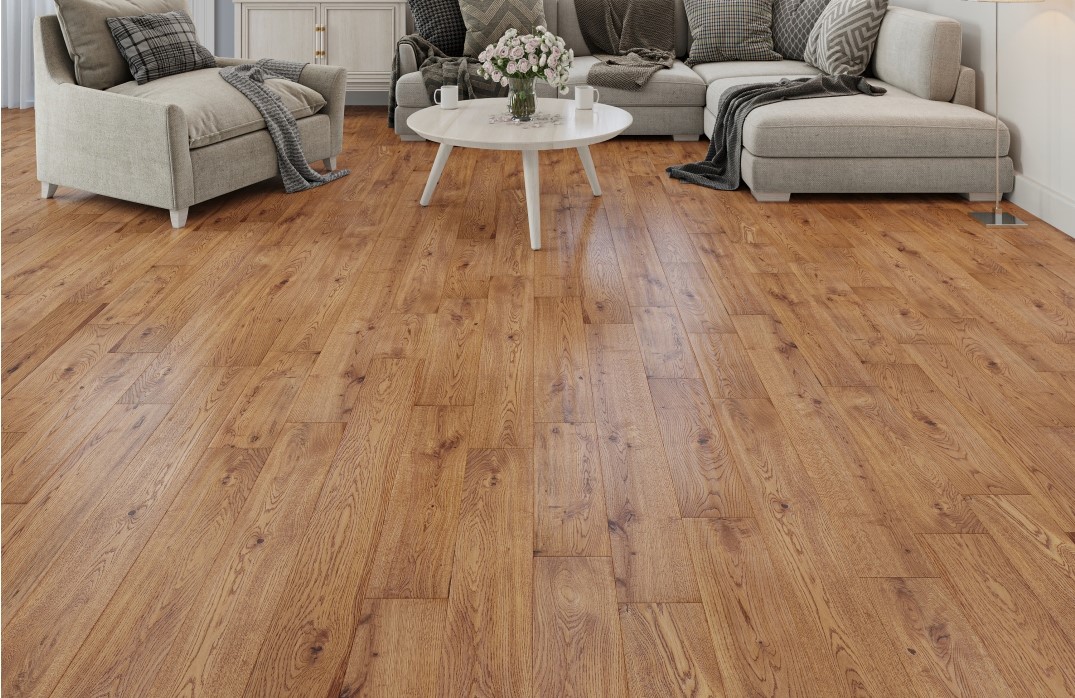
Hand-scraped wood flooring has a unique ridged surface that helps create an aged, worn look. Oozing character and natural beauty, it’s the perfect choice if you want to create a timeless, vintage aesthetic.
Hand-scraped wood flooring is ideal for spaces that need to feel cosy and inviting, such as the living room or dining area. Our hand-scraped flooring is available in both Solid wood and Engineered wood so you can choose the type of wood flooring that’s best for you.
Pros of Hand-scraped Wood Flooring
- Its textured surface can help disguise scratches, making it both pet and child-friendly
- It requires less maintenance and care than other styles of wood flooring
Cons of Hand-scraped Wood Flooring
- The scraped pattern can often look repetitive which may not appeal to everyone
- It has a raw, unfinished look that may look out of place in some homes
Brushed and Oiled Wood Flooring
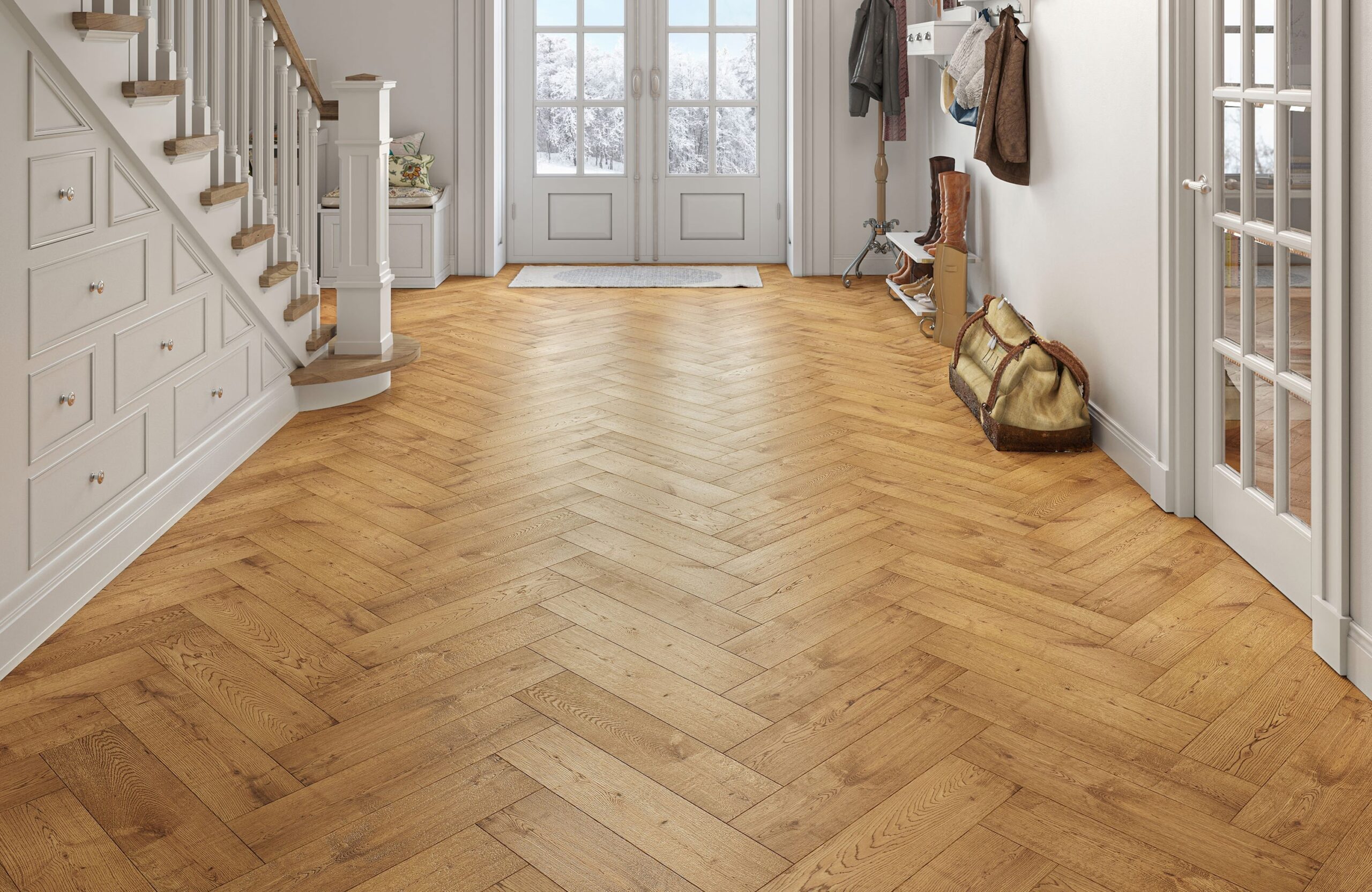
Brushed and Oiled flooring is beautifully textured and offers plenty of character. It’s the best type of wood flooring if you’ve got pets at home, as the brushed effect does a great job of disguising scratches caused by claws.
The oiled finish seeps into the wood and gives each plank of the floor a natural matte look. Plus, oiled floors are much easier to spot-treat when the oil wears away. Simply reapply a bit of oil to the affected area and it’ll blend seamlessly into the rest of the floor.
Pros of Brushed and Oiled Wood Flooring
- It has a textured surface that helps hide scratches, making it ideal if you’ve got children or pets
- It’s very low maintenance compared to other styles of wood flooring
Cons of Brushed and Oiled Wood Flooring
- The oil provides a matte finish, so it’s not ideal if you want a glossy-looking floor
Lacquered Wood Flooring
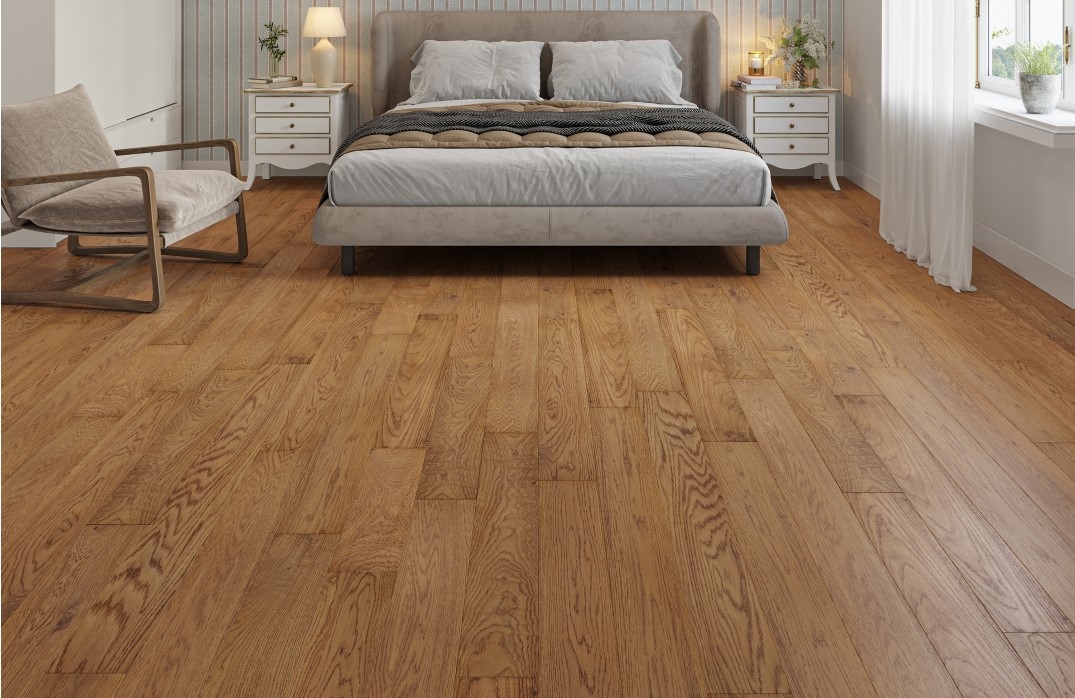
A lacquer is a clear finish which is applied on top of a wood floor to prevent scratches, dents and water damage. While an oiled finish provides a matte look, Lacquered flooring has a glossy sheen that perfectly complements sleek, contemporary decor.
Naturally spill-resistant and easy to wipe clean, a lacquered wood floor makes a great choice if you’ve got children or you entertain often. However, we don’t recommend lacquered floors for homes with pets, as scratches can appear more visible when the lacquered surface reflects in the light.
Pros of Lacquered Wood Flooring
- The lacquer makes the floor naturally spill-resistant, making it ideal if you’ve got kids or you entertain often
- It’s low-maintenance and easy to clean
Cons of Lacquered Wood Flooring
- If you want to repair a stain or mark, you’ll need to sand and refinish the whole floor
- It’s not ideal if you have pets, as the light reflections in the lacquer can enhance the appearance of scratches
Brushed and Lacquered Wood Flooring
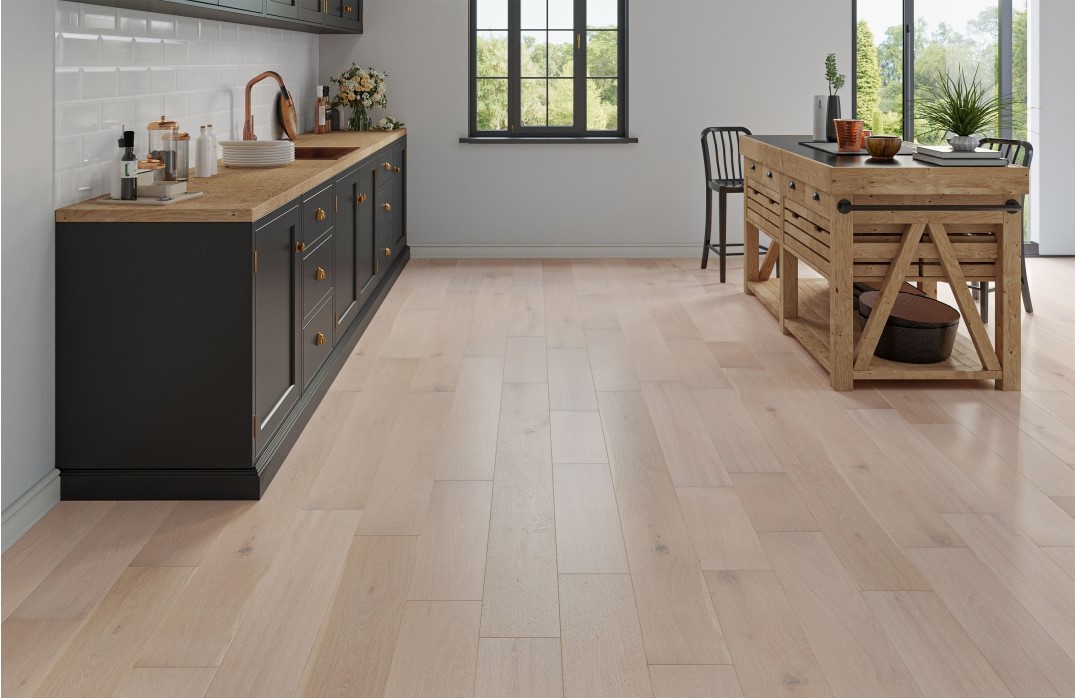
Brushed and Lacquered flooring offers both the textured effect of brushed planks and the protection of a lacquered finish. As with other lacquered types of wood flooring, brushed and lacquered floors have a glorious shine that makes them sparkle, especially when light reflects off them.
The lacquer’s protective qualities mean brushed and lacquered wood can handle the odd splash or spill, making it a safe choice for kitchens and dining rooms.
Pros of Brushed and Lacquered Wood Flooring
- The brushed effect creates a beautiful, textured finish that provides instant charm
- The lacquer protects the floor from dirt and moisture
Cons of Brushed and Lacquered Wood Flooring
- Unlike oiled floors, it can’t be spot-treated to quickly repair damage
To find out more about oiled and lacquered wood flooring, check out our blog post, Oiled or Lacquered Flooring: What’s the Difference?
Joining Methods for Wood Flooring
There are two main types of joining method for wood flooring, Tongue & Groove and click fit. Find out more about the difference between these joining methods below.
Tongue & Groove Wood Flooring
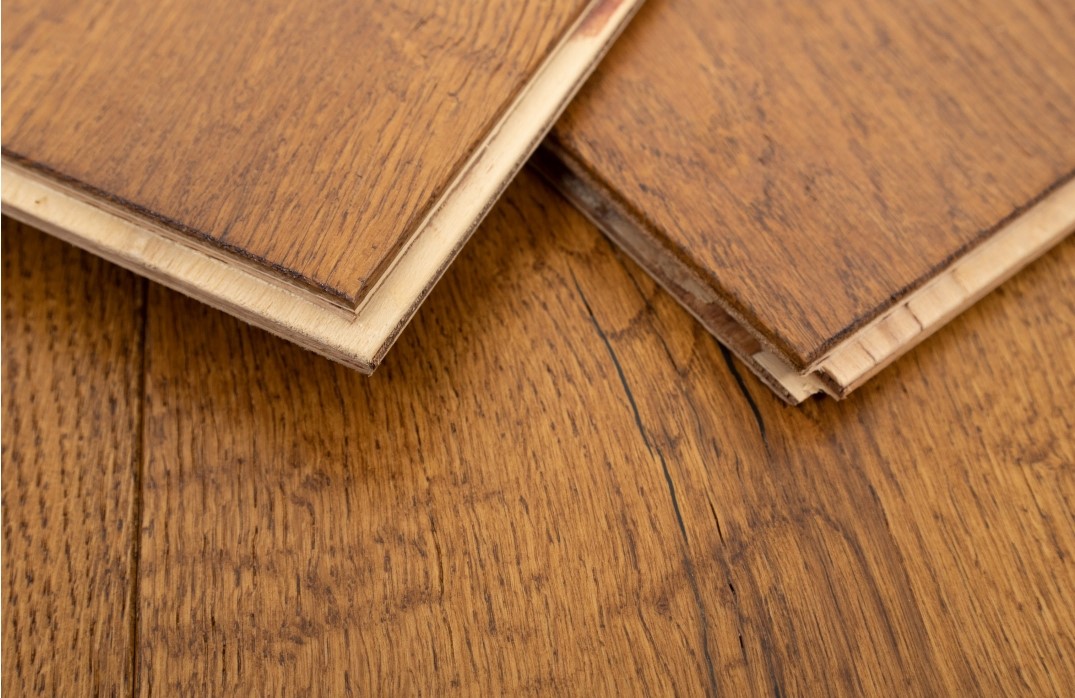
Tongue & Groove is the traditional installation method for all types of wood flooring. Its name comes from the planks which have been designed to fit together smoothly. On one side of the plank there’s a protruding edge or ‘tongue’ and on the other side is an indented ‘groove’. When the floor is being installed, the tongue of one plank slides into the groove of another, fitting together like a puzzle piece.
A Tongue & Groove floor is finished with a straight edge, allowing the planks to sit flush against each other and creating a polished, uniform finish. A floating method can be used to install this type of wood flooring or you can simply nail or glue it into place. Due to its simple installation process, a Tongue & Groove floor is perfect if you’re giving DIY a try!
Click Fit Wood Flooring
Click fit wood flooring has grown popular in recent years. Featuring machine-created interlocking joints similar to those in a Tongue & Groove floor, click fit flooring simply ‘clicks’ into place. One of the easier methods of installation for wood flooring, click fit is ideal if you’re into DIY.
The finish that click fit offers is virtually the same as a Tongue & Groove floor. The planks fit together seamlessly creating a clean, harmonious look.
And there you have it. Once you’ve got an idea of the types of wood flooring that would suit you, make sure you take advantage of our unlimited free sample service. You’ll be able to see how your favourite floors look in your home and feel confident you’ve picked the best style of wood flooring for you!
Get in Touch
Still unsure which type of wood flooring to choose? Our team of friendly flooring experts are always on hand to offer advice, so get in touch if you have any questions. Don’t forget to follow us on Instagram too, so you can keep up to date on all things flooring!