What is Herringbone Flooring? A Guide to Style, Installation and Costs
Jump To:
- What Does a Herringbone Pattern Look Like?
- Does Herringbone Flooring Make a Room Look Bigger?
- How Do You Install Herringbone Flooring?
- How Much Does Herringbone Flooring Cost, and Why Is It More Expensive?
- Which Types of Materials Are Available for Herringbone Flooring?
- What Are the Maintenance Considerations for Herringbone Floors?
- How Long Does Herringbone Flooring Last?
- Is Herringbone Flooring Still in Style?
- How Do You Get the Best Results with Herringbone Flooring?
- Try Herringbone Flooring with Free Samples
Herringbone flooring is distinguished by a unique zig-zag pattern created by laying rectangular wooden planks at 90 degrees to each other. This layout resembles the bones of a herring fish, which gives the design its name. Historically used in grand European estates and dating back to Roman times, herringbone flooring combines craftsmanship and elegance, enhancing both classic and contemporary interiors.
Herringbone is commonly crafted from natural woods like oak, but engineered woods, luxury vinyl tiles (LVT), and laminates are also popular, offering a similar look with varying price points and maintenance needs. The pattern gives the floor a rhythmic, dynamic appearance, making it an ever-popular design for homeowners seeking eye-catching style and durability.
What Does a Herringbone Pattern Look Like?
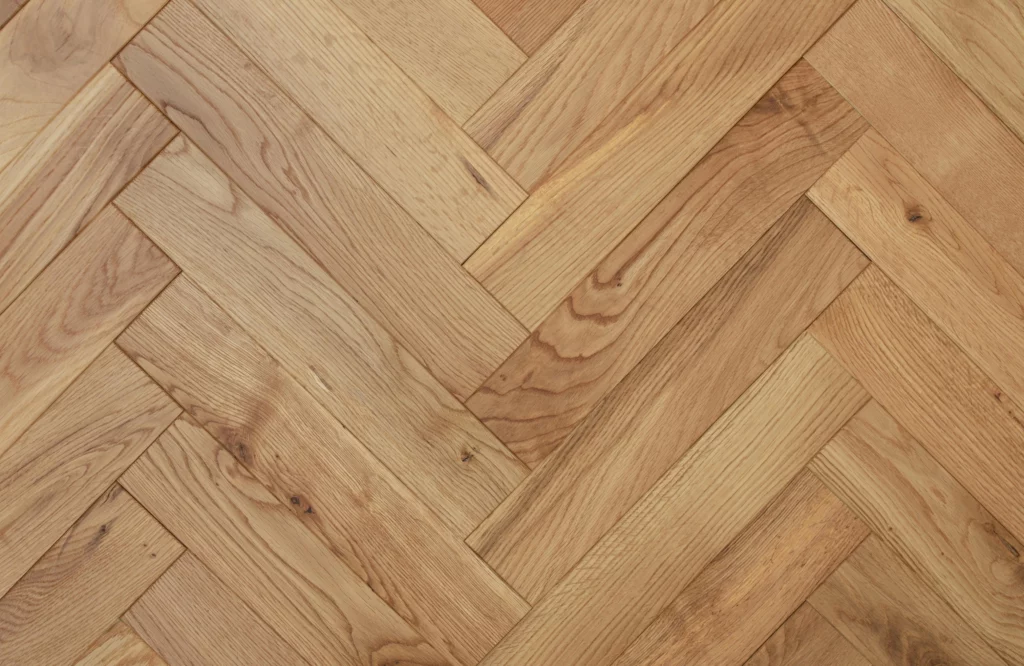
A herringbone pattern is made up of small rectangular planks laid in a zig-zag formation, where each piece meets the next at a right angle. The result is a repeating V-shaped design that feels both structured and eye-catching. A classic look, herringbone instantly makes a space feel stylish.
Does Herringbone Flooring Make a Room Look Bigger?
Herringbone helps make rooms feel bigger thanks to its angled planks, adding movement and depth. It draws the eye around the space, and is especially effective in long hallways and narrow rooms. Lighter-toned herringbone floors brighten darker areas, making them feel more open and airy.
However, in very small spaces, the beautiful pattern might feel overwhelming or busy. Choosing the right plank size, colour and complementary decor keeps the space balanced.
How Do You Install Herringbone Flooring?
Installing herringbone flooring is a bit more complicated than fitting straight planks, as it requires plenty of precision. A proper layout involves marking central reference lines and cutting planks at accurate angles to avoid any gaps, ensuring the pattern stays square. Because of this, laying herringbone can take a bit of time.
Installing herringbone flooring is often best left to the professionals as any small mistakes can result in misalignment, noticeable gaps or an uneven pattern. However, the skill and time-intensive nature of herringbone does contribute to it being a costly floor - even though its end result is completely worth it!
How Much Does Herringbone Flooring Cost, and Why Is It More Expensive?
Herringbone flooring usually costs more because it takes longer to install. You need to hire an experienced fitter to get the pattern right as well, which costs more than DIY-friendly flooring or even standard planks.
Depending on the material used, higher costs can also pop up here. For example, solid wood herringbone will be more expensive than engineered wood because of the amount of raw material used. But costs can be lower with budget-friendly alternatives like LVT or laminate, which offer water-resistance and durability, while achieving the same stunning herringbone look.
You also need to factor in the cost of subfloor preparation and underlay. Don’t forget about your adhesive either, unless you choose a floating installation.
Which Types of Materials Are Available for Herringbone Flooring?
Herringbone flooring is available in a variety of materials to suit different tastes and budgets:
- Solid Wood: Luxurious and long-lasting, but sensitive to moisture and needs a professional to fit it.
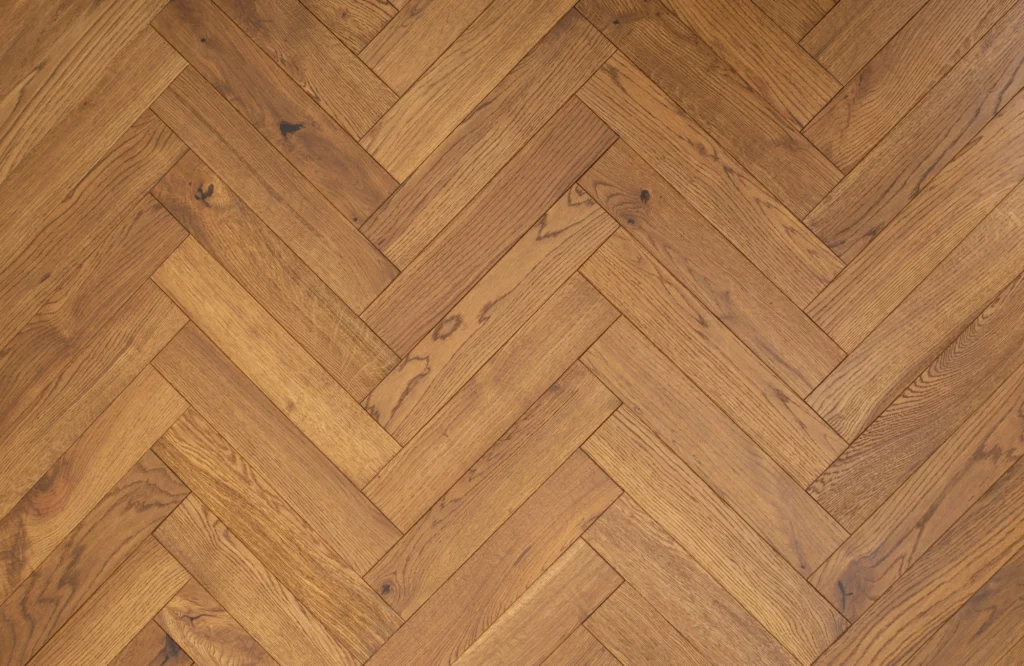
- Engineered Wood: More stable than solid wood, making it perfect for underfloor heating.
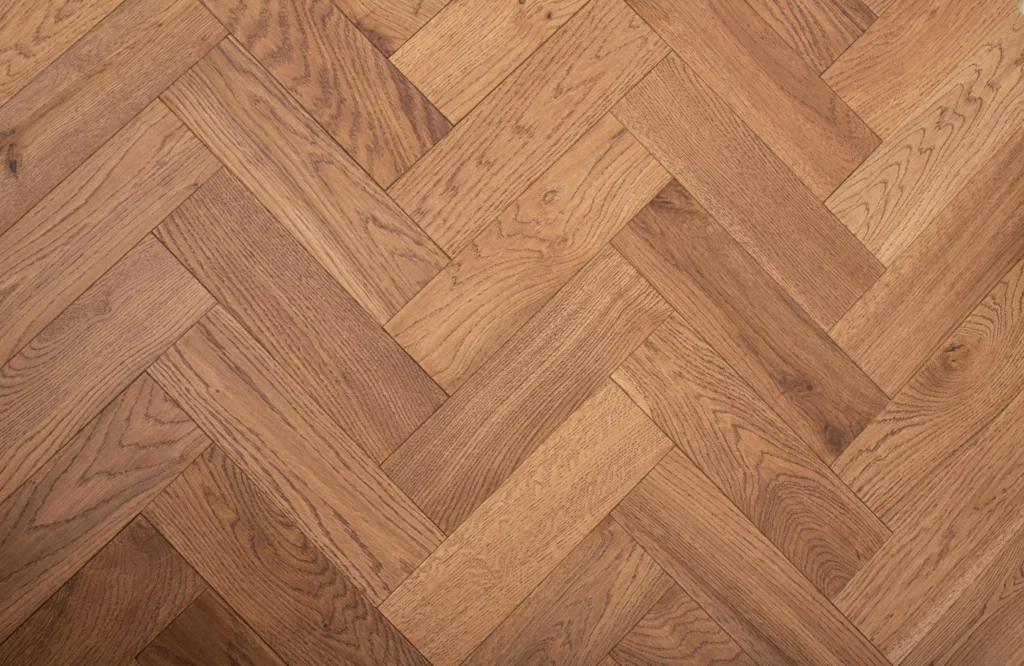
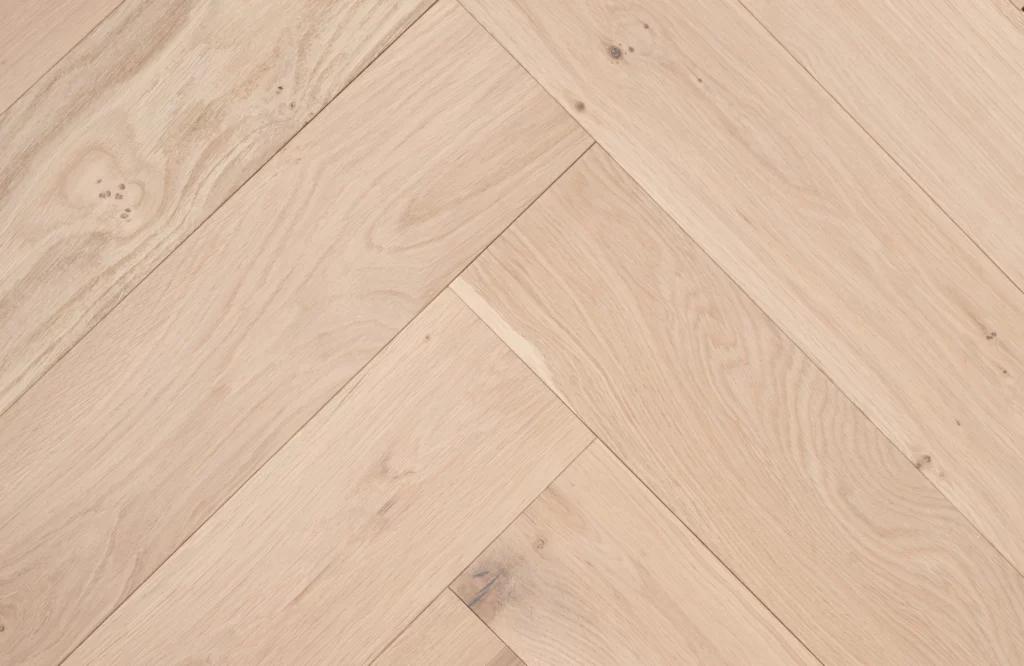
- Luxury Vinyl Tiles (LVT): Waterproof or water-resistant, highly durable, scratch-resistant, and easy to maintain. Comes with a click system for speedy DIY installation.
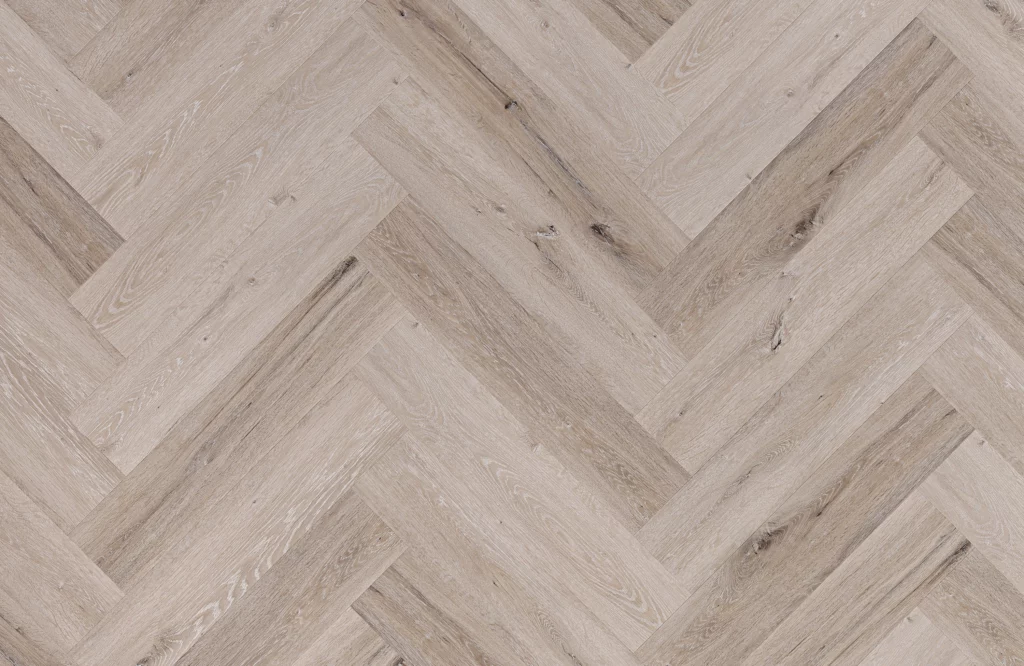
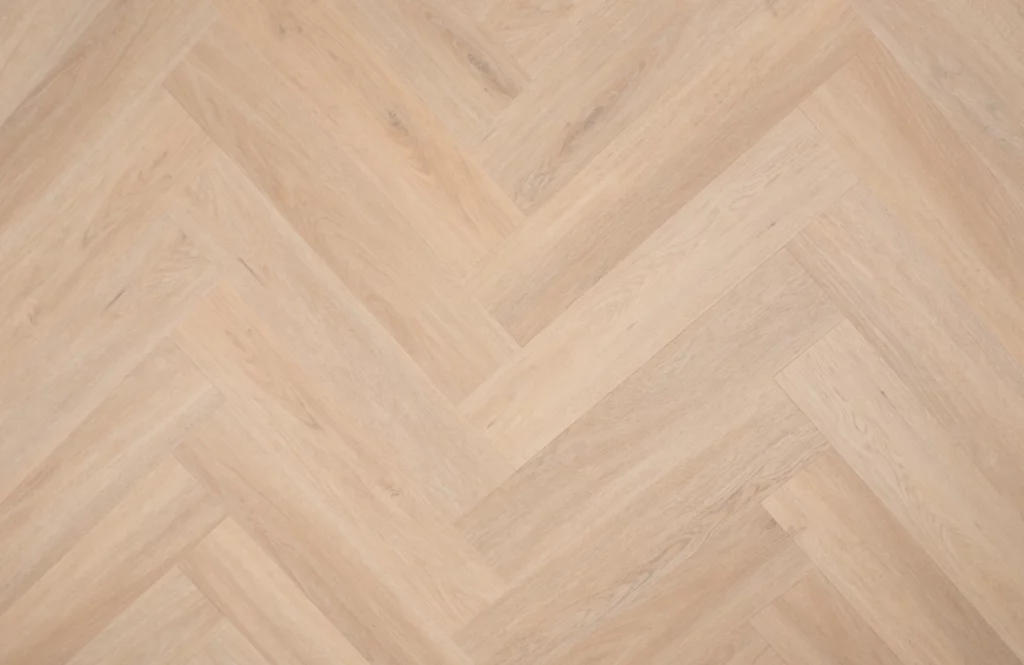
- Laminate: Budget-friendly with a click-fit system, mimics the appearance of wood, but can be less resistant to water than LVT
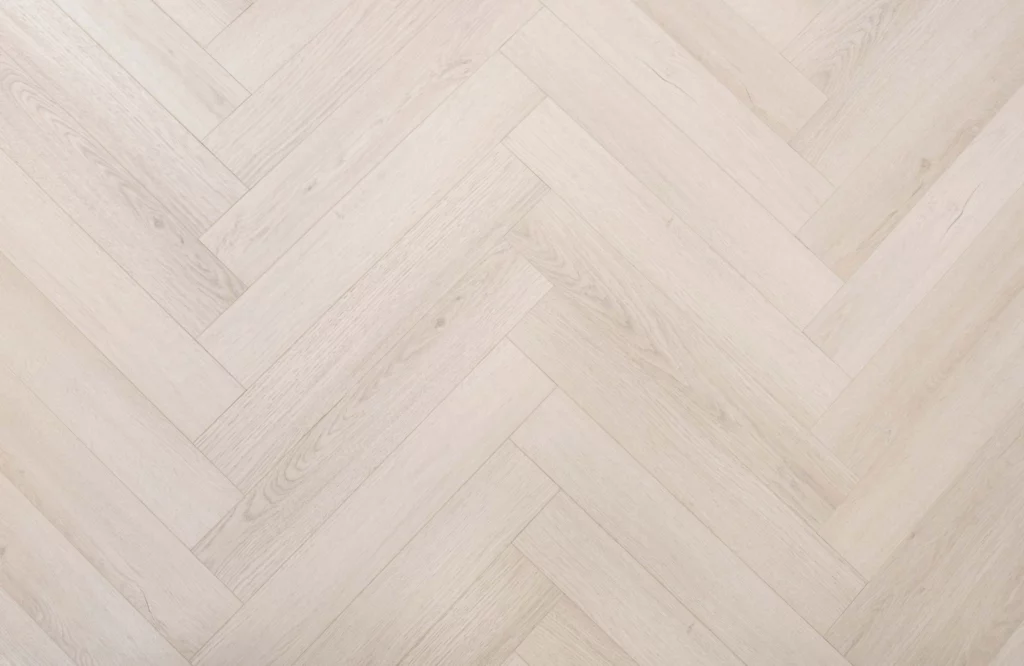
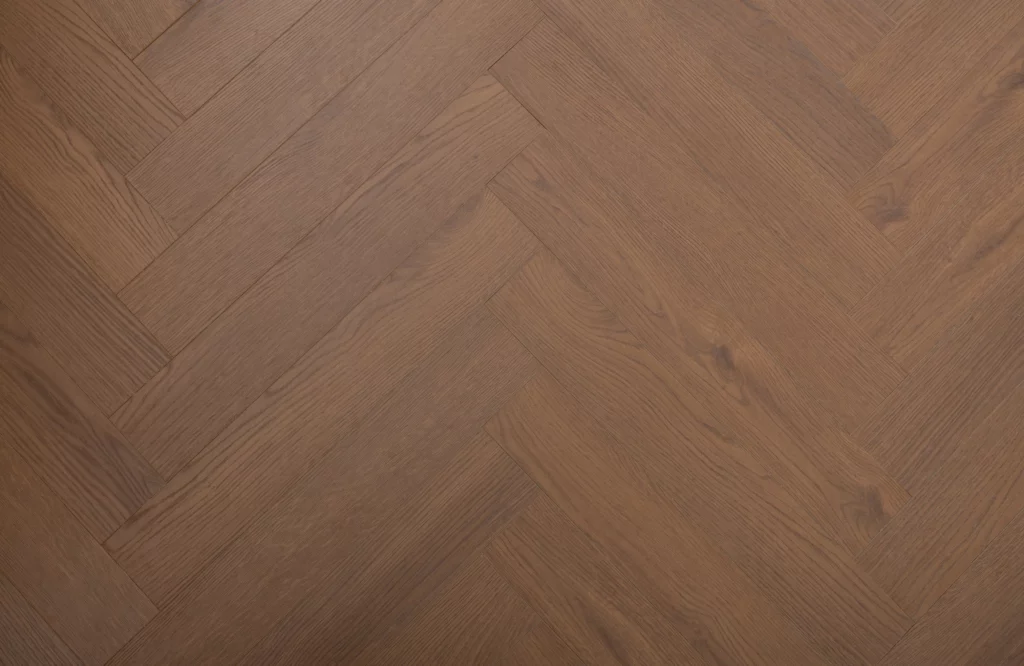
The right material depends on your lifestyle, and preferred look, as well as the room your floor’s going in.
What Are the Maintenance Considerations for Herringbone Floors?
Maintenance really comes down to what your floor’s made from.
If you’ve gone for solid or engineered wood in a herringbone pattern, it’ll need a bit of TLC. Gentle cleaning is key, and every now and then it may need refinishing to bring back that lovely sheen and keep scratches at bay. Lacquered or oiled finishes do add a layer of protection, but they’re not invincible — too much water or the odd heavy knock can still leave their mark.
LVT and laminate, on the other hand, are much more laid-back. They’re built to handle everyday life, so they’re great in busy areas or rooms that see a lot of moisture, like kitchens and bathrooms. A regular sweep and the occasional damp mop (with the right products) is usually all it takes to keep them looking fresh.
How Long Does Herringbone Flooring Last?
Herringbone flooring is made to go the distance — as long as you look after it. How long it lasts really comes down to the material you choose.
Solid wood herringbone is the real long-haul option. With the occasional sand and refinish, it can keep going for 50 years or more. It’s an investment, but it definitely earns its keep over time.
Engineered wood usually sits in the 20–30 year lifespan range. It gives you that same classic look, with added stability, making it a solid middle ground.
Luxury vinyl herringbone (LVT) is all about easy living. You’re looking at roughly 15–25 years of durability, and it doesn’t ask for much in return — perfect for busy households where life doesn’t slow down!
No matter what you go for, good installation and simple day-to-day care make a huge difference. Keeping floors clean, popping felt pads under furniture and keeping indoor humidity in check will help protect those sharp angles and keep the finish looking its best.
Is Herringbone Flooring Still in Style?
Short answer? Absolutely. Herringbone isn’t some passing trend that’ll feel dated in a few years — it’s one of those designs that just keeps coming back stronger. It blends that old-school character with a clean, modern edge, which is probably why it’s having such a moment again.
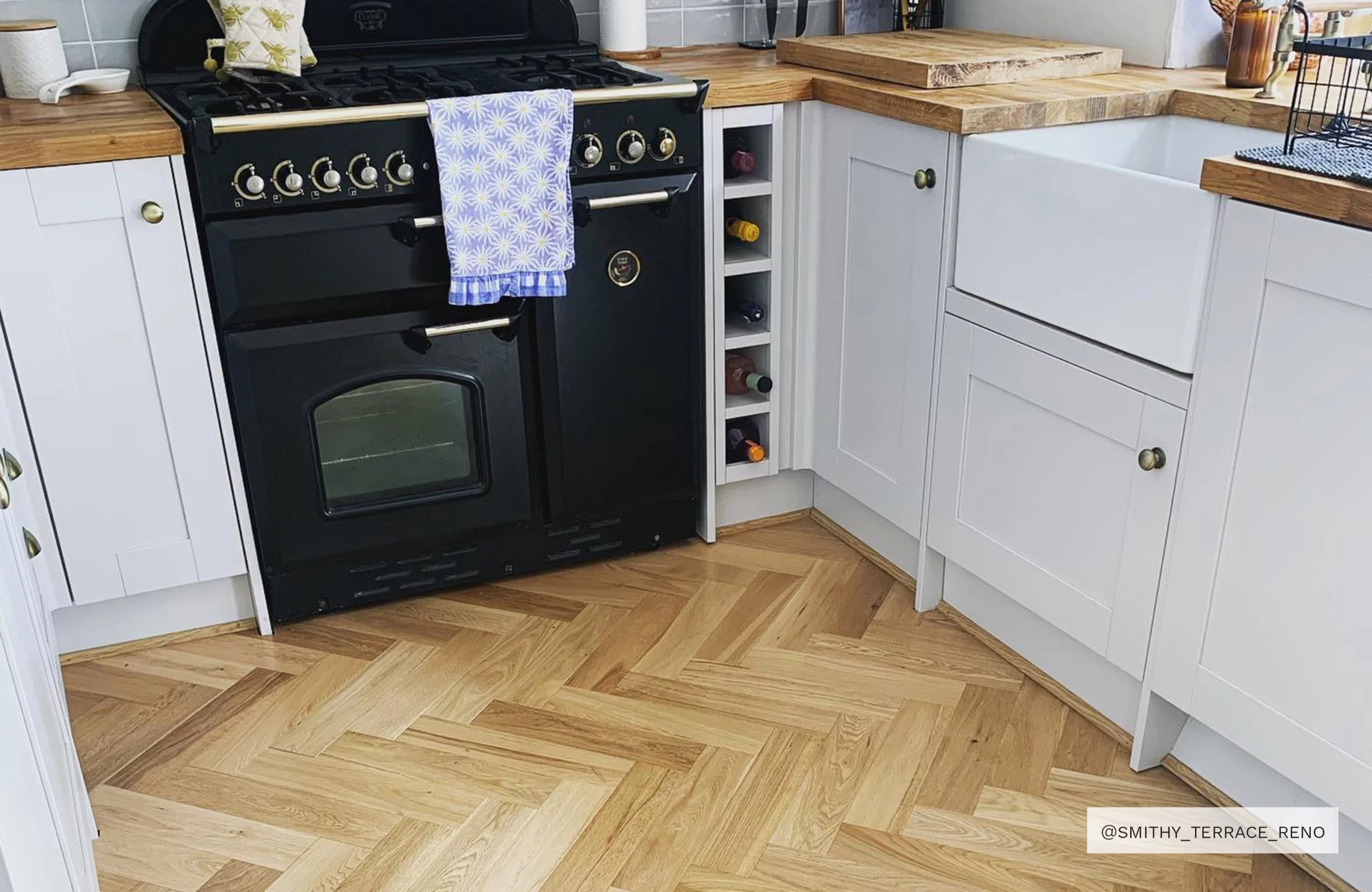
Part of the appeal is how flexible it is. You’ll see it in traditional homes, sleek new builds, cosy flats — it just works. New colour options and materials mean it still feels fresh in 2025, whether you’re into soft, natural tones or something a little bolder.
Lighter shades are perfect if you want that bright, airy feel. Darker finishes bring warmth and a bit of drama. Either way, you’re not just picking a floor — you’re choosing a look that holds its value and grows with your style over time.
How Do You Get the Best Results with Herringbone Flooring?
Getting it right starts with choosing installers who actually know their way around a herringbone pattern. It’s not your standard straight plank job — layout is everything. Planning the design around key features in the room (like fireplaces or large windows) helps the pattern really shine.
It’s also worth matching your material to how the room’s used. Busy hallway? Moisture-prone kitchen? The right choice here makes all the difference in how it performs long term.
Underlay matters too. Laminate and vinyl floating floors need a good-quality underlay for comfort and moisture control. Glued solid or engineered wood usually doesn’t. And always order a little extra — herringbone creates more offcuts than standard layouts, so having spare boards avoids any last-minute panic.
When you balance good design, the right material, and proper installation, you’ll end up with a beautifully precise floor that looks incredible for years.
Try Herringbone Flooring with Free Samples
If you’re torn between shades or finishes, samples are your best friend. Seeing the colour in your own lighting — and feeling the texture underfoot — makes choosing so much easier!
And did we mention our free samples are unlimited? Order now to compare tones, grains and finishes at home, at your own pace.
If you’re ready to explore our range of stunning herringbone flooring, get in touch with our friendly flooring experts - they’ll be happy to help.
Don’t forget to follow us on Instagram and TikTok, where you can stay up to date with the latest news, blog posts, and helpful tips!