
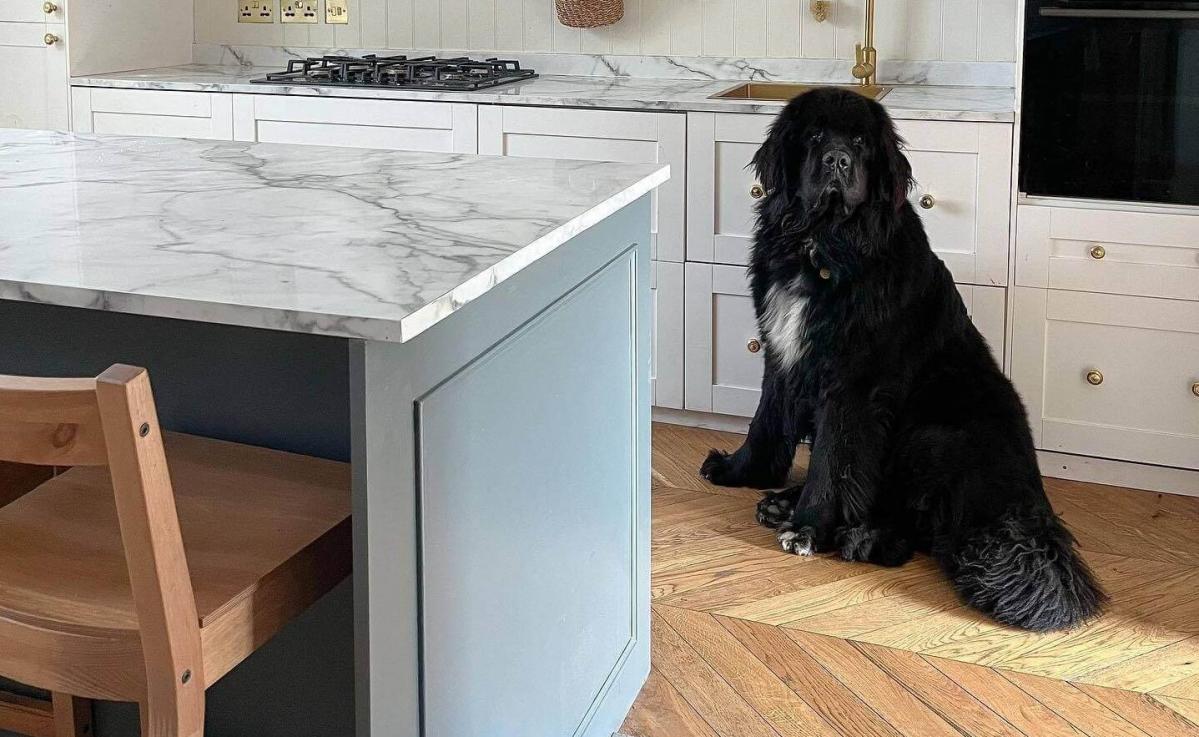
How to Restore Parquet Flooring: An Expert Guide to Renewal and Care
Parquet flooring has a distinctive charm, thanks to its intricate geometric patterns and beautiful, durable wood. But, over time, frequent use can dull the finish, leading to gaps, scratches or loose blocks. The good news? Parquet can easily be restored to its original beauty!
In this guide, we’ll walk you through the key steps for restoring parquet flooring. You’ll learn how to handle simple repairs, sand and finish your floor. We’ll also highlight any common issues to help you achieve long-lasting results.
Jump To:
- What Makes Parquet Flooring Unique and Why Restore It?
- When Does Parquet Flooring Need Restoration?
- Understanding the Parquet Floor Restoration Process
- DIY vs. Professional Parquet Restoration: When to Seek Help
- How to Maintain Parquet Floors After Restoration
- Common Challenges in Parquet Restoration and How to Address Them
- Why Restore Your Parquet Flooring Instead of Replacing It?
What Makes Parquet Flooring Unique and Why Restore It?
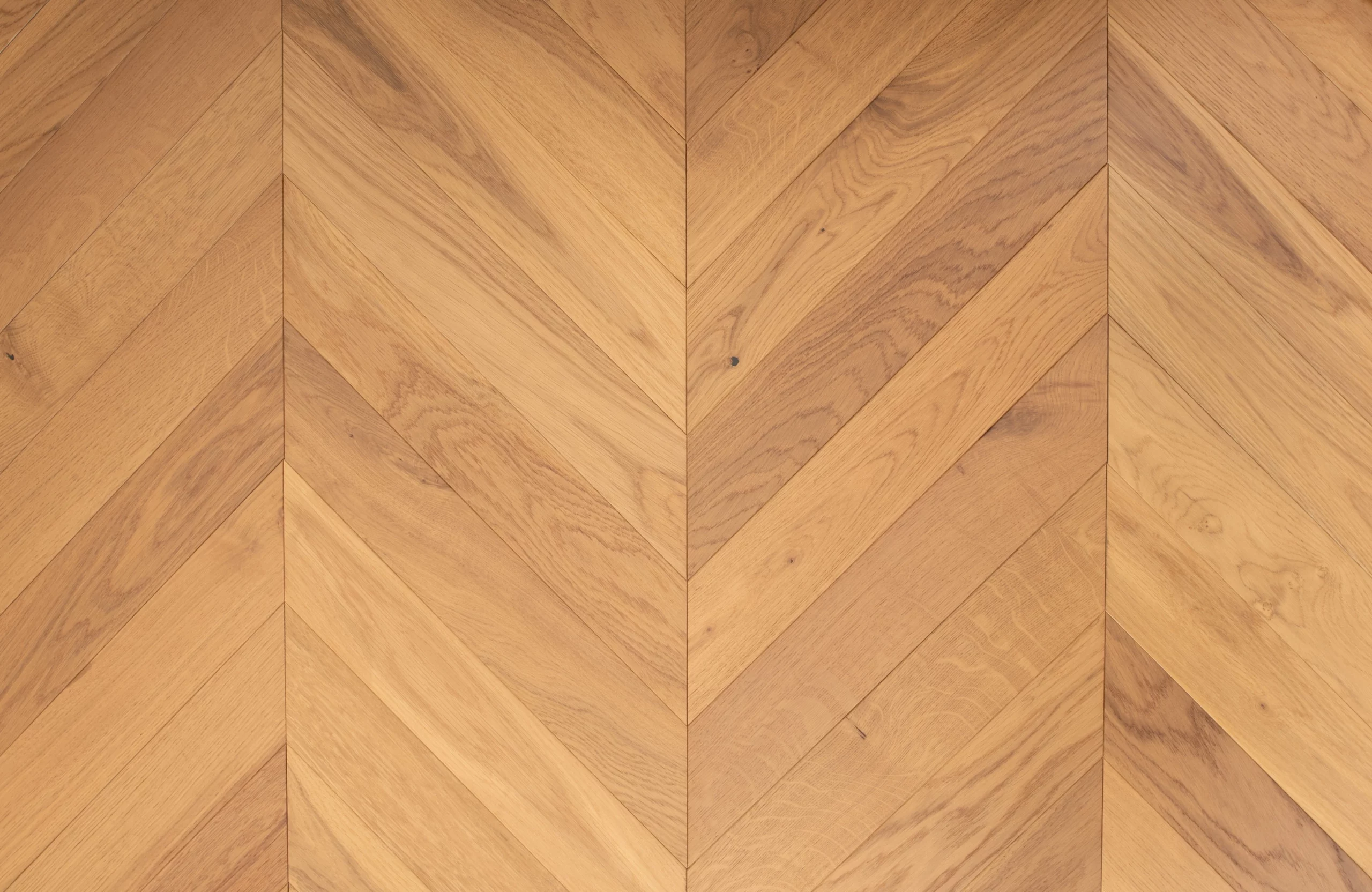
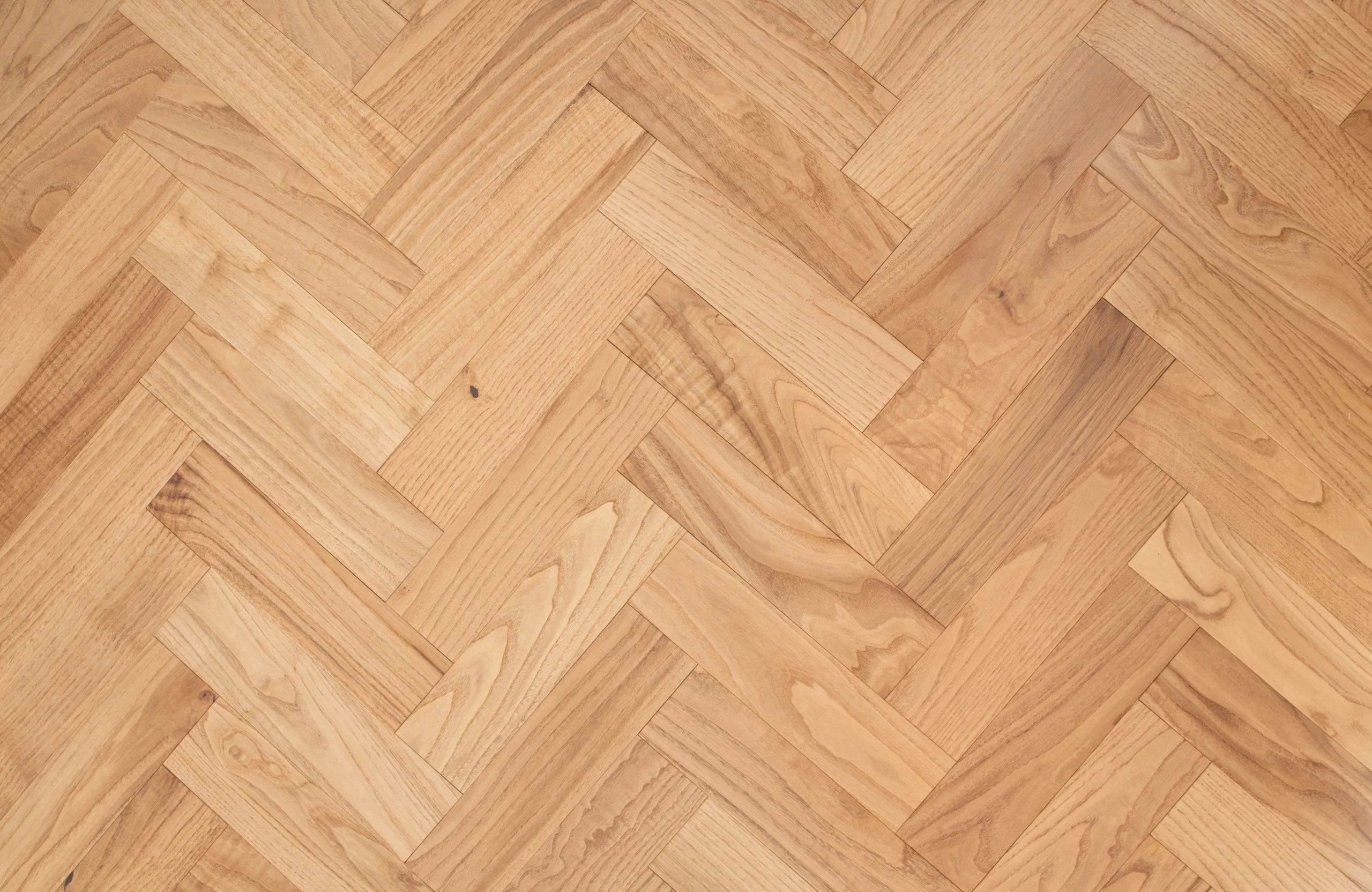
Parquet floors are made up of small wooden blocks and planks. These are arranged into a variety of intricate patterns, like herringbone and chevron. Its unique construction combines beauty with long-lasting durability. But, like all floors, heavy use can lead to the finish wearing off, the wood drying out or cracks appearing. And this can not only affect the floor’s appearance but also its performance.
Restoring parquet keeps its original craftsmanship and style, prevents further damage from moisture or dirt, and improves comfort underfoot. With proper care, a well-restored parquet floor can last for decades, making it a more sustainable choice.
When Does Parquet Flooring Need Restoration?
It might be time to restore your parquet floor if you see:
- Visible scratches or gouges
- A worn finish that dulls the wood’s natural shine
- Loose or missing blocks causing unstable or uneven areas
- Gaps between blocks collecting dirt or moisture
- Water damage or discolouration on the surface
- Cleaning or polishing failing to revive the floor’s appearance
Spotting these signs early can make a big difference! Addressing wear and damage early helps protect the structure of your floor and keeps restoration work more straightforward.
Understanding the Parquet Floor Restoration Process

Restoring a parquet floor involves repairing damage, sanding and finishing to improve durability while preserving its original look.
Inspect and Repair
Start by carefully removing loose blocks and cleaning away old adhesive. Fill gaps with a wood filler that matches your floor for a consistent finish and improved stability. For more severe damage or buckling, you might need to hand-scrape or apply resin.
When it comes to parquet flooring, it’s often best left to a professional, especially if the repairs are more complex or the floors are older. This is because it’s important to accurately match replacement blocks and to avoid over-sanding, which can damage the original pattern.
Sanding Techniques
Sanding parquet floors requires care and the right equipment, such as a drum or orbital sander with edging tools. Because of the intricate patterns, sanding often needs to be done diagonally or in multiple directions to avoid visible marks.
It’s important to note that sanding parquet can take longer than sanding straight plank flooring. Use light, even pressure to help prevent the smaller blocks from chipping.
Finishing and Sealing
After sanding and repairing your parquet floor, apply a finish to the wood to protect it from moisture and daily wear. You can choose between lacquer, oils and varnish, depending on your existing floor and the look you’re after. You can also use stains to even out the colour or highlight the natural grain.
Always allow plenty of drying time between coats. This helps create a durable finish.
DIY vs. Professional Parquet Restoration: When to Seek Help
Light scuffs and dullness are usually improved with regular cleaning, polishing or recoating using the right parquet care products. For day-to-day upkeep, use a slightly damp mop with a cleaner designed for hardwood floors.
For more serious damage, like deep scratches, loose blocks or extensive sanding, it’s best left to the professionals. They can assess the subfloor, use dust-controlled sanding equipment and choose the right fillers and finishes.
How to Maintain Parquet Floors After Restoration
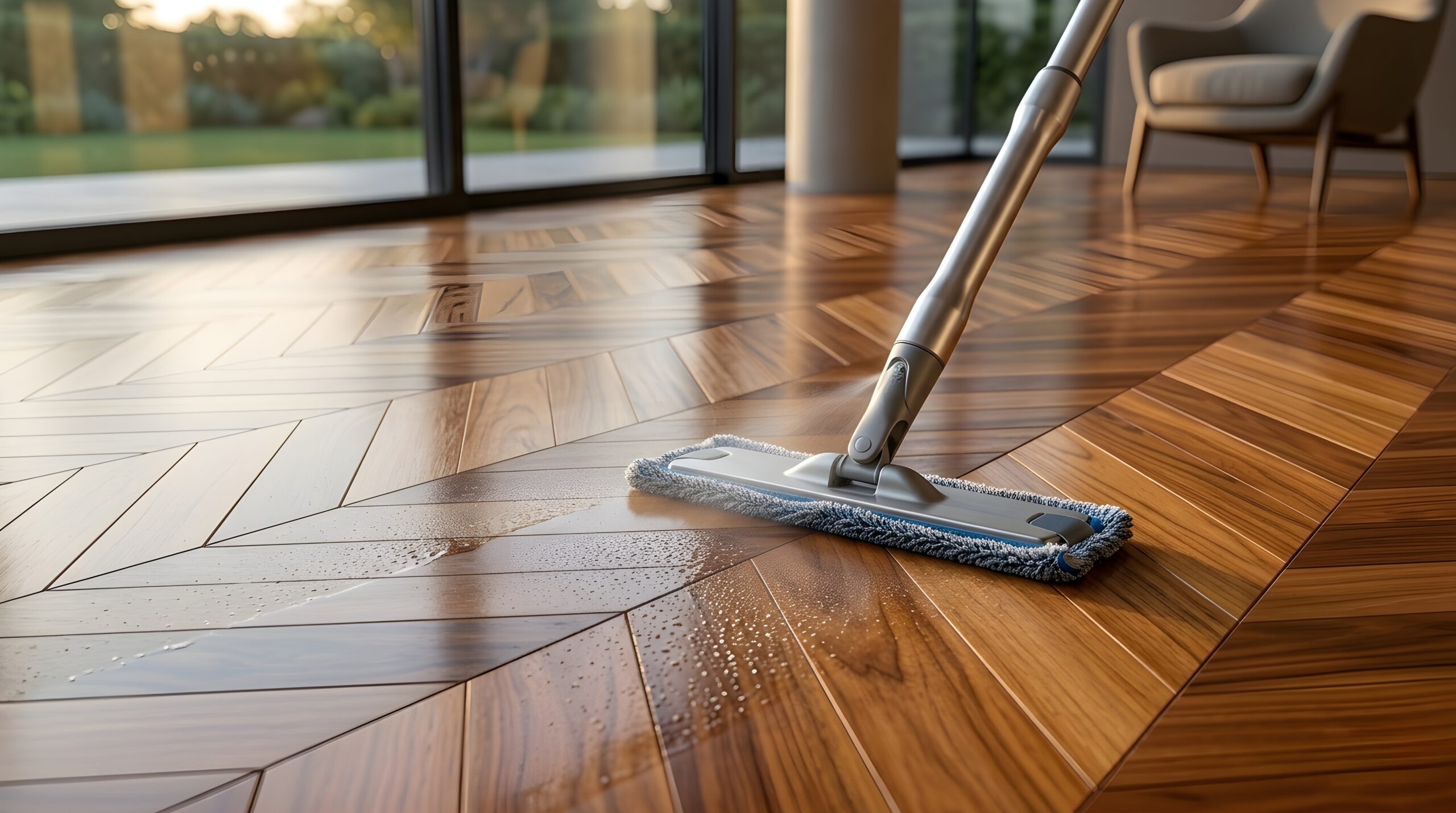
Maintaining your parquet flooring after restoration is quite easy:
- Clean regularly with a soft brush or mop and a hardwood floor cleaner
- Avoid excess water when mopping to prevent swelling or loosening blocks
- Use rugs or felt pads on furniture to protect your floor
- Keep the humidity inside consistent to prevent drying or warping
Carry out occasional touch-ups with the right polish or oil to maintain the finish. With the right care, your parquet floor will last longer and continue looking its best without needing constant restoration.
Common Challenges in Parquet Restoration and How to Address Them
- Check it’s Dry: Make sure the floor is completely dry before you start. This prevents swelling or damage during sanding or filling.
- Use Stainable Fillers: Choose fillers that match the wood to keep a consistent look across your parquet floor.
- Avoid Over-sanding: Be careful not to over-sand, as it could damage the wood’s natural character.
- Be Gentle: Use steady hands to avoid chipping or breaking blocks when you’re sanding.
- Hand-scraping and Resin Repairs: These smooth out irregularities without needing a complete replacement.
- Invest in Quality: Using high-quality materials and a professional may cost more, but it’ll deliver better, longer-lasting results.
Why Restore Your Parquet Flooring Instead of Replacing It?
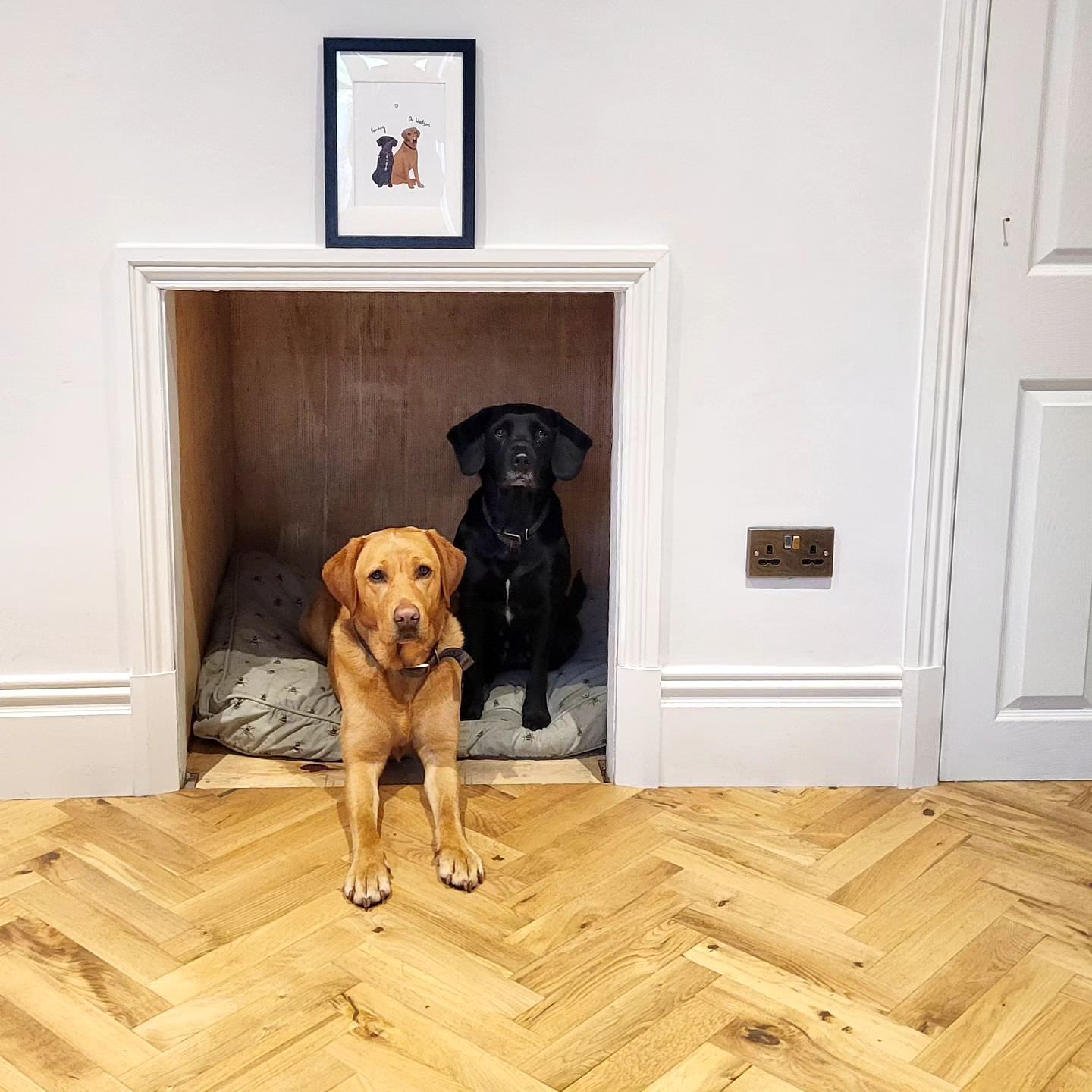
Restoring your parquet floor instead of replacing it keeps your home’s original charm. It’s eco-friendly, saves you money and avoids the disruption of installing a new floor.
Done properly, restoration enhances the wood’s natural beauty and durability, which extends its lifespan.
Ready to Restore Your Parquet Floors?
Have questions about restoring your parquet floors? Get in touch with our friendly flooring experts!
Don’t forget to follow us on Instagram and TikTok, where you can keep up to date with all the latest news, blog posts and helpful tips. We’d love to see your floor! Tag us on Instagram at #MyLuxuryFloor and mention us on TikTok @luxuryflooringfurnishing.