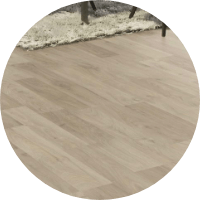
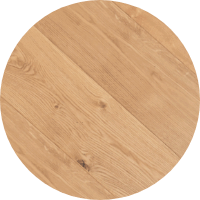
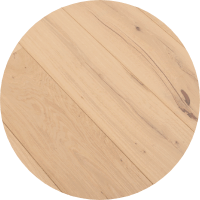
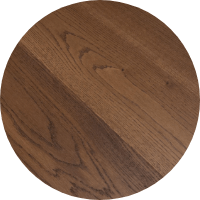
What is engineered oak flooring?
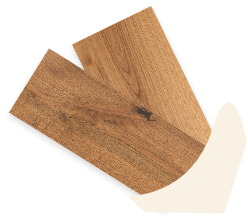
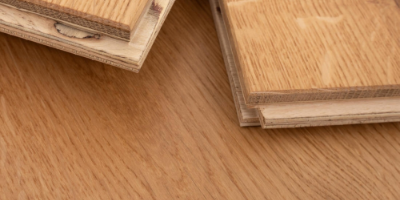
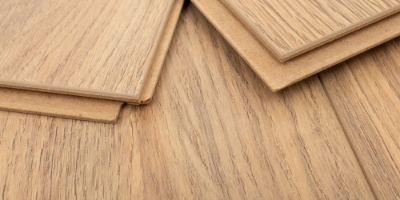
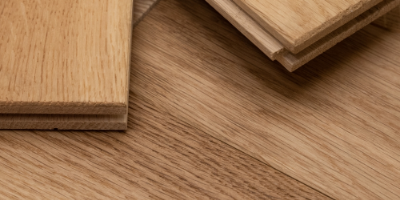
Engineered Oak flooring is a type of wood flooring that has a top layer of solid oak veneer, but is crafted from multiple layers of softwood, plywood, or HDF (high-density fibreboard). The multi-layered construction provides several benefits over solid wood, while still giving engineered oak the appearance of solid oak.
Check out our Engineered Wood vs Solid Wood blog post to learn more about our wood flooring options.
Is engineered wood flooring better than laminate and solid wood?
When it comes to looks, engineered wood flooring looks just like solid wood and pretty similar to wood-effect laminate. However, each of these floors boasts its unique benefits.
Engineered wood is more affordable than solid wood, so it’s a great choice if you want the beauty of a real wood floor but have a smaller budget. This type of flooring is designed to last decades, and like solid wood, you can sand and refinish it. The difference between solid wood flooring and engineered wood flooring goes beyond costs though, as engineered wood can be fitted over underfloor heating, which isn’t possible with solid wood.
Solid wood costs more than engineered wood but it also lasts longer. This means it’s a fantastic investment for your forever home or a home you’re planning to sell in the future. One thing to bear in mind though - solid wood can’t be fitted over underfloor heating, as the change in temperatures could cause it to warp.
Unlike solid and engineered wood flooring, laminate is entirely man-made. This means it comes with a much lower price tag and features that aren’t always promised with wood flooring, like scratch-resistance and water-resistance. Like engineered wood, it can be used with underfloor heating, making it a great choice for any modern home. It’s also quick and easy to fit, thanks to its click-fit joining system, so it’s a great choice if you’re giving DIY a try!
To find out more, read our blog about the difference between laminate and engineered wood flooring.
How do I lay engineered wood flooring?
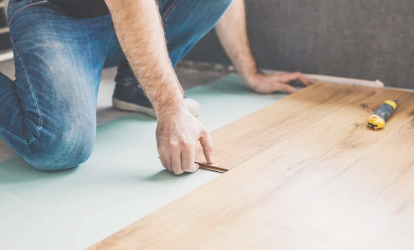
There are 3 different methods for fitting engineered wood flooring; floating, nailing and glueing. The method you should use will depend on your floor’s joining system, your subfloor’s material and whether your floor is straight-plank or parquet.
A floating method involves joining the planks of your floor to each other, instead of to the subfloor. This is our preferred choice for fitting click-fit engineered wood flooring.
In a nailing method, secret nails are placed through the tongue of a tongue and groove floor to fix the planks to a wooden subfloor. As the nails go through the tongue, this method can’t be used for click-fit engineered wood flooring.
A glueing method involves applying adhesive to the top of your subfloor and then securing the planks on top. We recommend this method for tongue and groove flooring, but in most cases it’s not ideal for click-fit flooring.
Please check your engineered wood flooring installation guide carefully to make sure you’re using the right joining method for your floor.
How long do engineered wood floors last?
All of our wood flooring comes with a 25-year guarantee, for your peace of mind. However, you’ll find that our engineered floors can last 30 years or more.
Similarly to solid wood, engineered floors can be refinished to give them a new lease of life. However, the number of times you can do this is limited, as the real wood veneer is not as thick as the planks used for solid wood.
Is engineered oak flooring durable?
Yes, engineered oak flooring is extremely durable and unlike solid oak can resist changes in moisture and humidity. It’s a great choice for areas where solid wood isn’t suitable, such as kitchens and conservatories.
How is engineered oak flooring made?
Engineered oak flooring is made by layering multiple pieces of softwood, plywood and HDF (high-density fibreboard) and binding them together with adhesives. This multi-layered piece of wood is then topped with a layer of solid oak veneer.
Can engineered oak flooring be sanded and refinished?
Yes, engineered oak flooring can be sanded and refinished multiple times to lift scratches, stains or damage that’s marked the floor over time. However, this shouldn’t be necessary until 15 - 20 years after installation.
What thickness is best for engineered hardwood flooring?
Thicker boards can be sanded down and refinished more times, as the veneer is thicker. You may also notice that they feel more substantial underfoot.
You may, however, wish to choose a slimmer board which can cost less.
Is engineered oak flooring suitable for underfloor heating?
Yes, engineered oak flooring is sturdy enough to withstand fluctuating temperatures, making it suitable to use with underfloor heating, unlike its solid wood counterpart.
How is the finish of engineered oak flooring applied?
The two most common finishes for our engineered oak wood flooring are oiled and lacquered. In an oiled finish, the flooring is brushed with oil which soaks into the wood. The oil intensifies the colour of the wood and the patterns in the oak. It also protects the wood from scratches and scuffs. A lacquered finish is created by applying a natural lacquer to the wood. Rather than penetrating the wood like an oil does, the lacquer sits on the surface, protecting it from splashes and spills and giving it a glossy sheen.
How should engineered oak flooring be cleaned and cared for?
Gently sweep or vacuum your floor once a week to prevent the build-up of dust and dirt. If you need to mop your floor, ensure you use a damp mop rather than one that’s soaking wet. Any other care your engineered oak floor needs will depend on the finish you choose. We recommend re-oiling an oiled oak floor every 1 - 2 years. You may also find you need to sand it down if it starts looking a little worse for wear. However, this is unlikely to be necessary in the first 15 – 20 years after installation. A lacquered oak floor will need sanding and refinishing approximately every 10 – 15 years.
Can engineered oak flooring be installed in damp or humid environments?
No, engineered oak flooring can’t be fitted in damp or humid environments because it doesn’t provide enough moisture resistance to protect the floor from damage. However, if you’re looking for a floor to install in your bathroom or wet room, our
wood effect luxury vinyl tiles
are a fantastic alternative.
What is the warranty for engineered oak flooring products?
All our engineered oak wood flooring comes with a 25-year guarantee, so you can feel confident your floor is truly built to stand the test of time.
How does the cost of engineered oak flooring compare to solid oak flooring?
Engineered versions of oak flooring tend to be lower in price than solid oak flooring, simply because they’re constructed from materials which are much cheaper to source than the solid pieces of wood required for oak hardwood flooring.
Are there different grades of engineered oak flooring available?
Yes, our engineered oak flooring range offers four distinct grades, each with their own unique characteristics. Our Prime oak is ideal for those who want a cleaner, more modern look with minimal colour variation and no knots. Rustic oak displays the natural knots, colour variations and imperfections of the wood, creating a warm and inviting aesthetic. Sitting in between these two grades is our Select oak, which has more colour than Rustic, a bit more character than Prime and smaller knots. Finally, for those who prefer a more rugged and weathered appearance, we recommend Distressed oak, which boasts significant cracks and marks that enhance its imperfect charm.